
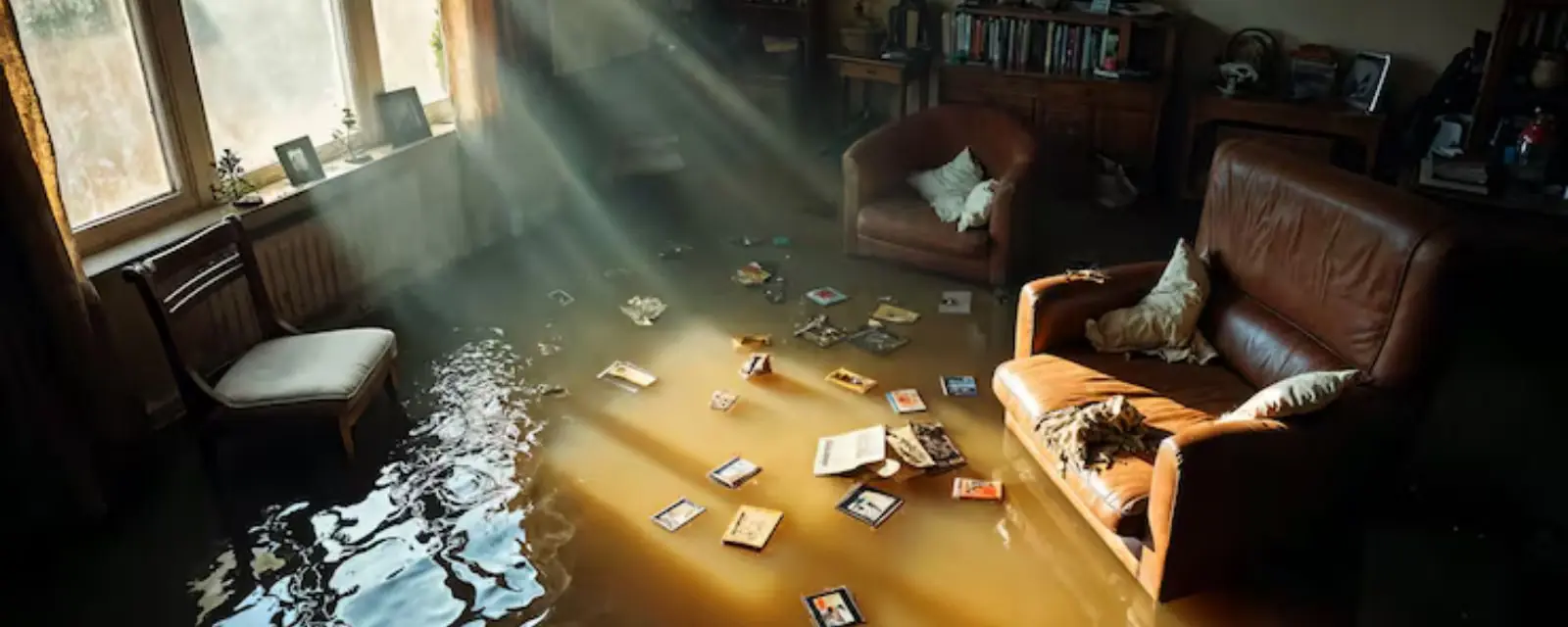
Flood water and sewage are emergencies, and the 24/7 line is open now. Stay out of the water, keep children and pets away, do not run appliances that are standing in it and do not touch electrical panels or outlets that are wet. For any electrical or gas risk, call your utility or 911 before calling us.
Flood damage restoration in Buena Park, CA covers water that comes from outside or from the sewer rather than from your own clean supply lines. That water is Category 2 or 3, which means it can carry bacteria and contaminants, and it changes what can be saved and how the work is done.
When Flood Water Is An Emergency
Flooding is an emergency whenever water is entering a building, whenever it came from a drain, toilet or storm or whenever it has reached outlets, appliances or a furnace. Each hour in contaminated water makes more of the structure unsalvageable.
Heavy winter storms are the usual trigger in Southern California, and the National Weather Service 1991 to 2020 normal for Downtown Los Angeles shows February as the wettest month. That is the regional picture, not a Buena Park station reading, but it is a reminder that a few storms bring most of a dry year's rain.
Stay out
Keep everyone out of the water and away from wet electrical equipment.
Cut power safely
Only turn off power if the panel is dry and you can reach it standing on dry ground. Otherwise call the utility or 911.
Lift and photograph
Raise valuables above the water line and photograph the water line on the walls before cleanup.
Call the 24/7 line
Describe where the water came from. The dispatcher will explain what to avoid while a crew is arranged.
Sewage Backup Cleanup: What To Do First
If a toilet, tub or floor drain is pushing up water, or several drains back up at once, treat it as sewage. Stop using water in the house, stay out of the area and call. Do not clean it with a mop and a shop vacuum.
Crews contain the area, extract the water, remove porous materials that cannot be cleaned and disinfect hard surfaces. Backups are sometimes caused by a blocked lateral on your own property and sometimes by a problem in the main line, so ask a plumber to scope the line while the area is open.
Regional sewer pipelines through Buena Park were built between 1959 and 1998, and OC San plans repair work in 2027 and 2028. Aging pipes are one reason to call a plumber to inspect the line after a backup.
Flood Or Sewage Water Inside?
Call the 24/7 line now. Same-day response is offered when crews are available.
Basements, Garages And Low Spots
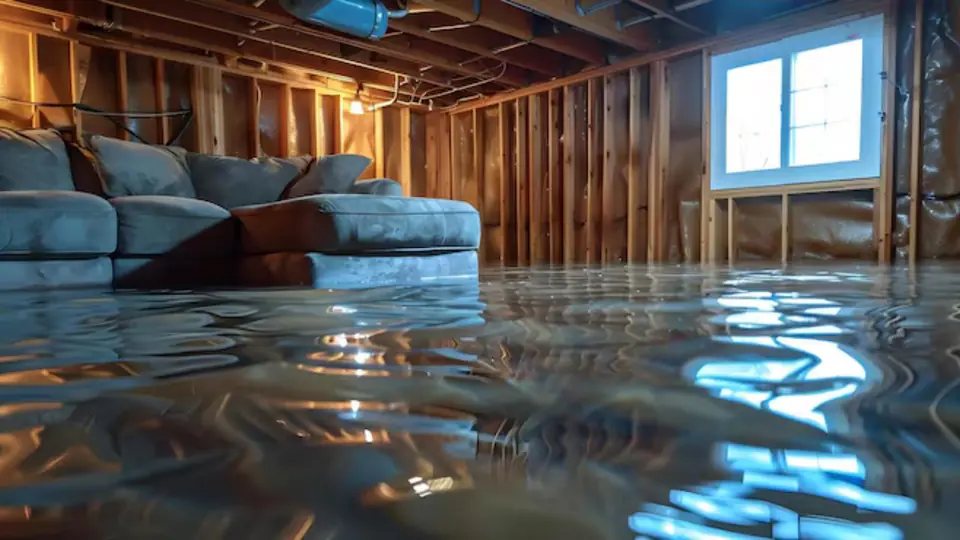
Rooms below grade, sunken garages, lower levels and low spots next to a driveway collect water first and drain slowest. If your property has a basement or lower level, expect water to need pumping rather than just mopping. Concrete floors dry quickly, but the framing and stored belongings above them do not.
Water in a garage can carry oil, gasoline and chemicals from stored products. Do not use electrical tools or bare hands in it, and let the crew decide what can be extracted and what needs special handling.
How Flood Restoration Works
| Stage | What happens | Why it matters |
|---|---|---|
| Extraction | Pumps and extraction units remove standing water | Reduces the time materials stay saturated |
| Removal | Wet porous materials that cannot be cleaned are taken out | Contaminated carpet, padding and drywall can hold bacteria |
| Cleaning and disinfecting | Surfaces are cleaned and treated | Matches the protocol to Category 2 or 3 water |
| Structural drying | Air movers and LGR dehumidifiers dry what remains | Prevents hidden moisture and odor |
| Rebuild | Drywall, flooring and finishes are replaced | Starts after readings confirm dryness |
Flood Insurance Is Different From Homeowners Insurance
The California Department of Insurance states that standard homeowners policies do not cover flood. Flood coverage usually needs a separate policy, such as one through the National Flood Insurance Program. Homeowners policies typically exclude flood, mudslide and debris flow.
A backup from a drain or sewer is treated differently from rising flood water, and some policies sell it as an add-on. Read your policy, ask your insurer which rules apply to your loss, and photograph everything. Want your real number? Call (714) 515-1308 and scope and price will be explained before work starts.
Buena Park flood facts to check for your address
Most of Buena Park sits in the FEMA 500-year flood zone, with 100-year zones mainly along the southeastern border. Use the FEMA Flood Map Service Center to look up your exact address, and ask whether flood coverage is worth carrying even outside the 100-year zone.
The city hazard analysis also places most of Buena Park in the Prado Dam inundation area, with a small area in the Fullerton Dam area. Buena Park Municipal Code Chapter 18.204 sets floodplain management rules, so ask the Buena Park Building Division before rebuilding in a flood hazard area.
Crews also respond to flooding in nearby Cypress and Anaheim, and in Buena Park ZIP codes 90620 and 90621.
Common questions
Do you handle flood damage emergencies at night or on weekends in Buena Park?
Yes. The line is open 24 hours a day, every day. Storms rarely wait for business hours, so call as soon as it is safe, and same-day response is offered when crews are available.
Is flood damage covered by my homeowners insurance?
Usually not. The California Department of Insurance says standard homeowners policies do not cover flood, so you generally need a separate flood policy. Check your policy, ask your insurer and keep photos of the water line and damage.
Is sewage backup the same as flood water?
Both are contaminated water, but they come from different places and insurers may treat them differently. Sewage backup comes up through drains, and flood water arrives from outside. Either way, stay out and call.
Can I find out if my address is in a flood zone?
Yes. The FEMA Flood Map Service Center lets you search by address. Most of Buena Park is in the 500-year zone, with 100-year zones mainly along the southeastern border.
How long before mold can start after a flood?
As general trade guidance, wet porous materials left in place for more than 24 to 48 hours can start to grow mold. Fast extraction and drying lower the risk, and mold remediation is the next step if growth appears.