
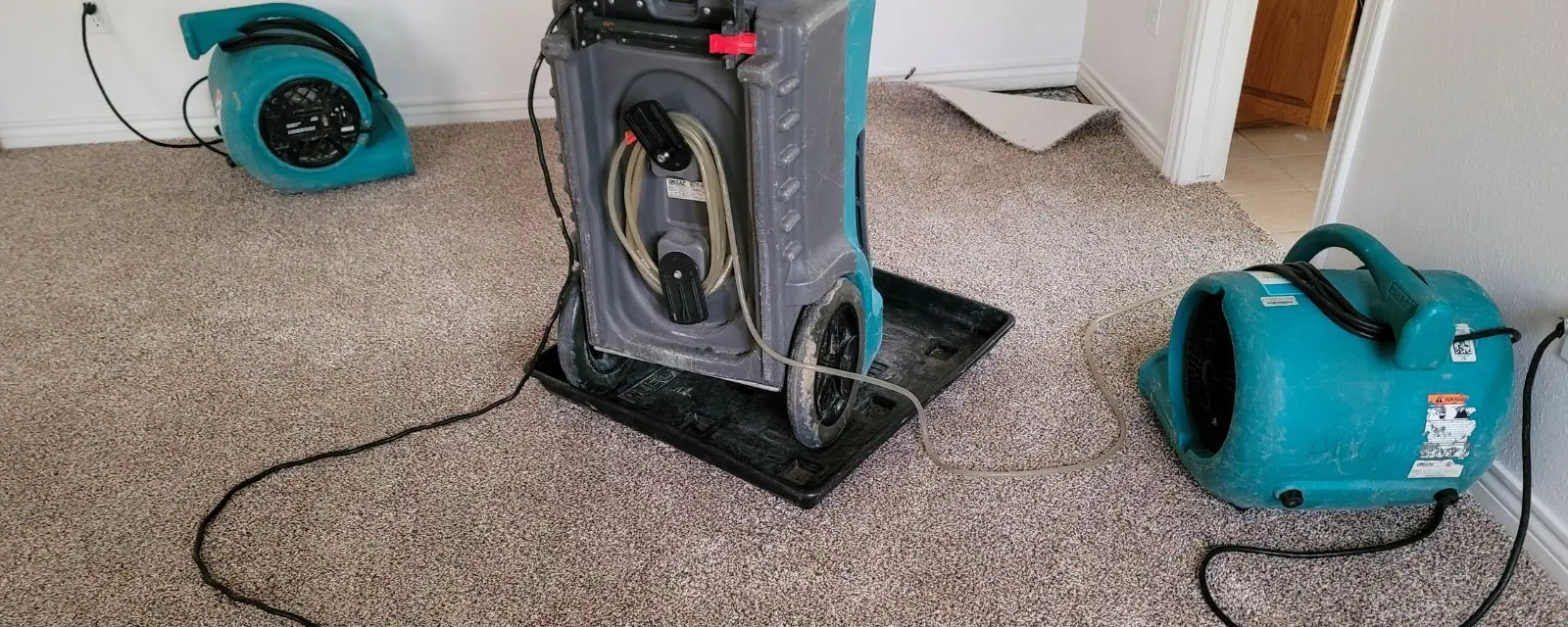
If your carpet feels cold and damp, a wall is bubbling or a baseboard is swelling, the damage is still spreading and this is the time to act. The 24/7 line is open now, and while you wait you can shut off the water source, lift valuables and turn off power to wet areas only if it is safe to reach the panel.
My Carpet Is Soaked And A Wall Is Bubbling. What Now?
People rarely search for mitigation by name. They search for what they see, such as a wall that feels damp, a ceiling stain that keeps growing or a musty smell after a leak. The trade name for the fix is water mitigation, which means stopping the damage from spreading and drying the structure before anything else is rebuilt.
Water mitigation in Buena Park, CA covers the first 24 to 72 hours after a loss. It is the step that decides whether the rest of the job is a small repair or a large one.
What Water Mitigation Includes
Stop the source
Confirm the leak is shut off so water is not still feeding the loss.
Map the moisture
Moisture meters and thermal imaging cameras trace water through walls, floors and ceilings.
Extract and open
Standing water is removed and wet materials are opened up so air can reach them.
Dry with equipment
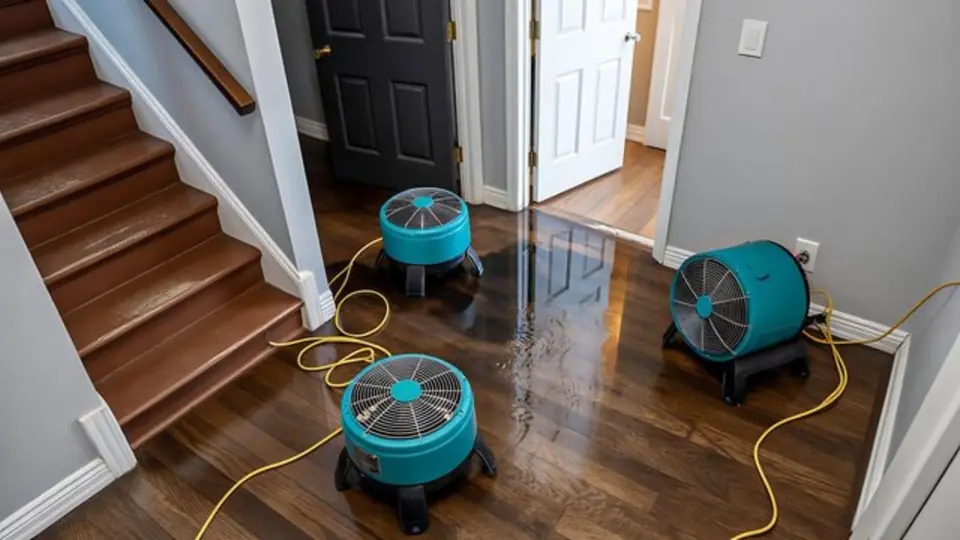
Air movers and LGR dehumidifiers run until readings reach a dry standard.
Structural Drying: Why It Takes Days
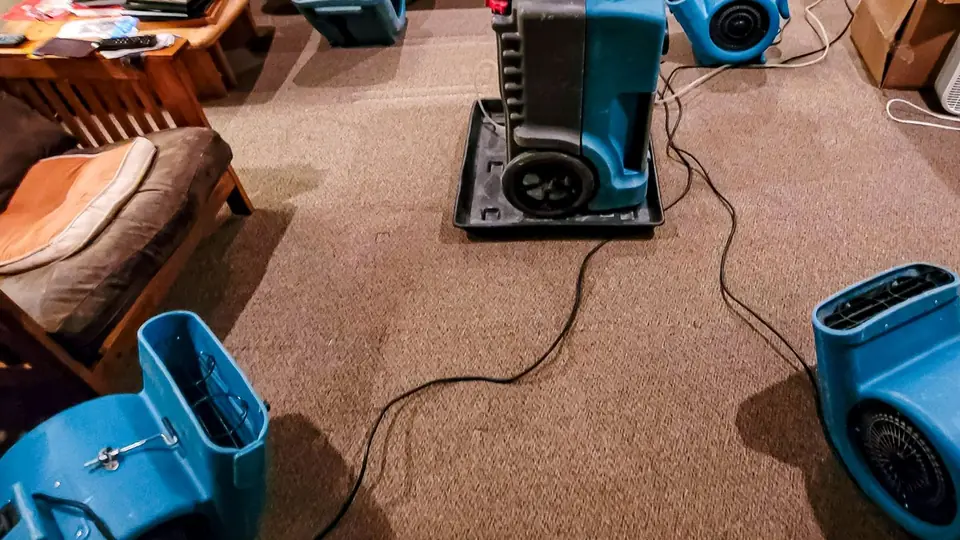
Structural drying is controlled evaporation. Air movers push dry air across wet surfaces, and LGR dehumidifiers pull the moisture out of the air so it does not settle somewhere else. Drying cabinets, floor mats and injection systems pull water from places airflow cannot reach, such as wall cavities and under flooring.
Most structures need several days. Readings are taken daily, equipment is adjusted and the job ends when the numbers say the materials are dry, not when the calendar says so. The industry standard for this work is ANSI/IICRC S500, and you can ask any company whether its crews follow it.
Damp Walls Or Carpet Right Now?
Call and describe what you see. Same-day response is offered when crews are available.
Mitigation Compared With Cleanup And Repair
| Phase | Goal | Typical timing |
|---|---|---|
| Water mitigation | Stop spread, extract, dry the structure | First 24 to 72 hours, drying over several days |
| Water damage cleanup | Remove wet debris, sanitize, deodorize | After the source is stopped, see the cleanup page |
| Water damage repair | Rebuild drywall, floors and finishes | After readings confirm dryness |
Each phase is explained and priced separately before work starts.
For what happens to wet debris and affected contents afterward, see water damage cleanup. For rebuilding once the structure is dry, see water damage repair.
What Drives The Cost Of Mitigation
Cost follows water category, square footage affected, materials involved and the number of drying days. More rooms mean more air movers, and thicker materials such as hardwood or plaster take longer to dry than carpet. A job that starts within hours is usually smaller than one that starts after a weekend.
Coverage depends on your policy and the cause. Sudden and accidental losses are often covered, gradual leaks often are not and flood usually needs separate coverage. Ask your insurer. Want your real number? Call (714) 515-1308 and scope and price will be explained before work starts.
Buena Park: damp walls, drying and nearby towns
Southern California's dry climate helps drying only when the building is ventilated and the dehumidifiers run, so do not rely on opening a window. The National Weather Service 1991 to 2020 normal for Downtown Los Angeles is 14.25 inches of rain a year, which tells you the region is dry but not that your wall is.
Drying is planned room by room and the same method applies in Buena Park ZIP codes 90620 and 90621 and in Cypress and La Mirada. Renters should tell the landlord in writing the same day, because drying should begin as soon as possible.
Common questions
Do you handle water mitigation emergencies at night or on weekends in Buena Park?
Yes. The line is open 24 hours a day, every day. Call as soon as you notice water, since drying in the first 24 to 72 hours limits how much material has to be removed.
My wall feels damp but I see no water. Is it a problem?
It can be. Water travels inside wall cavities and under flooring, so a damp wall can hide a larger area. Moisture meters and thermal imaging show where it went, and a crew can tell you whether drying is needed.
How long does structural drying take?
Most jobs take several days, depending on the materials, the number of rooms and the water category. Equipment stays until daily readings reach a dry standard.
Can I rent air movers and dehumidifiers instead?
We do not offer equipment rentals. Drying works best when a crew places equipment, takes daily readings and adjusts it, so the job is done with a crew.
What if I already dried the area with fans?
Fans move air but do not remove moisture from the structure. A crew can check readings in walls and under floors to confirm the area is truly dry or to find what is still wet.