
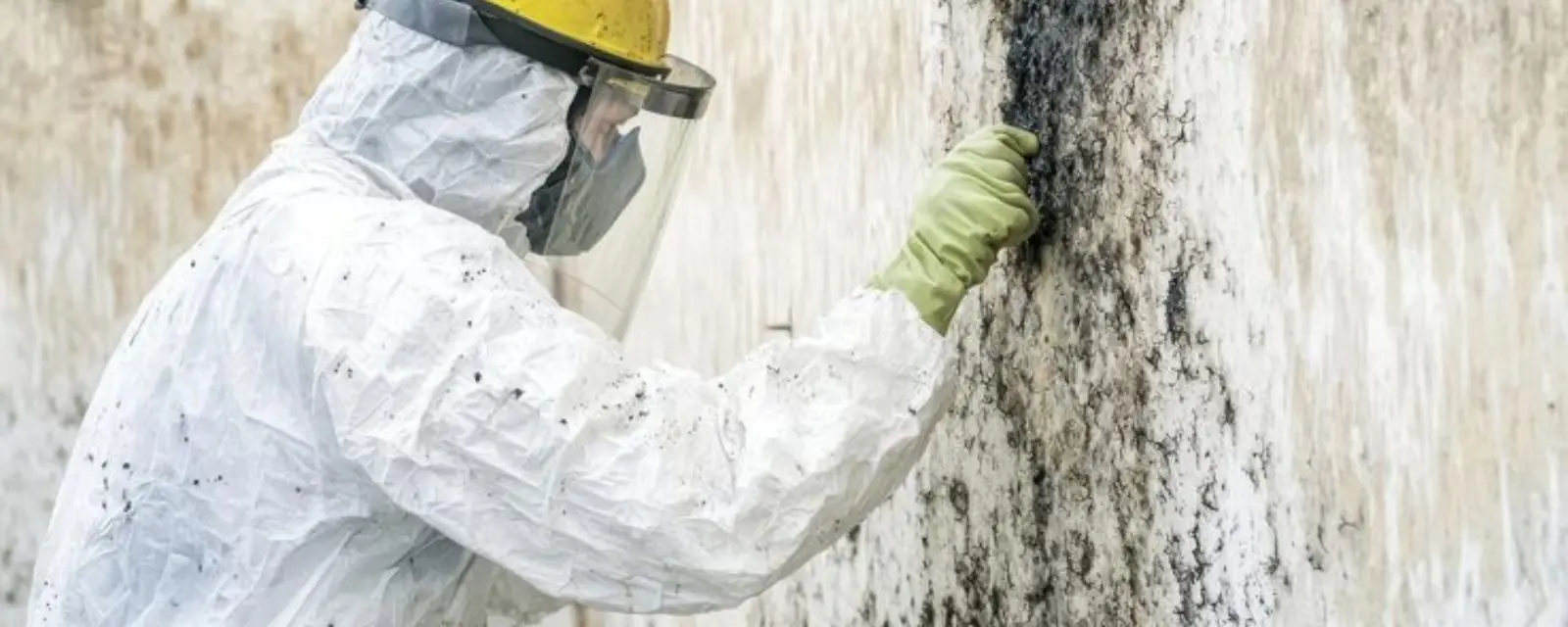
Learning how to remove black mold starts with sorting the job by size and surface, because a few dark spots on a bathroom tile are a very different task from a patch spreading across drywall. Buena Park, CA homes see both, and the right answer depends on how much area is affected, what material it sits on and whether the moisture behind it has been fixed.
Color tells you very little
Many molds look dark green, brown or black, and the color alone does not tell you which kind you have. You cannot sort harmless from harmful by sight, and this article does not try to. Treat any dark growth the same way, by finding the water that feeds it and then removing the growth.
Mold needs moisture to grow. That makes the water source the real target. If a pipe, a roof edge, a window seal or a damp wall is still feeding the spot, cleaning it only buys time. Health questions about exposure belong with a physician.
Fix the water first
Before any scrubbing, trace the moisture. Common sources are a leaking supply line, a shower that never dries because the exhaust fan is weak, a clogged air conditioner drain, or a wall that stays damp from a stucco or window leak. A moisture meter can confirm what the eye cannot.
Then dry the area completely. Run a fan, open a window, and use a dehumidifier if the room stays humid. If the area will not dry or the leak keeps coming back, you need a plumber or roofer before anything else.
Where a household cleanup is reasonable
Surface growth on a hard, nonporous material such as glazed tile, a sealed tub surround or a glass door can usually be cleaned by hand. So can a small patch on painted drywall, as long as the board is firm, dry and not stained through.
As a rough guide, many agencies treat an area of about 10 square feet or less as the limit for a homeowner. That is a guideline, not a law, and any sign that the growth goes deeper means you should stop.
Protective gear and method
Wear an N95 respirator or better, non-vented goggles and long rubber gloves, and wear clothing you can wash or throw out. Close the door to the room, cover vents, and keep the household out of the area. Do not run a fan that blows spores toward other rooms.
Wipe the surface with detergent and water, working with a damp cloth rather than a dry brush that throws dust. Bag the cloths in a plastic bag and seal it before carrying it out. Mixing bleach with ammonia-based cleaners can produce dangerous fumes, so never combine products, and do not rely on bleach on porous surfaces since it does not reach the roots.
Know when to stop and call
| What you find | DIY or call? | Why |
|---|---|---|
| A few spots on tile or glass | DIY | Nonporous and small |
| Under 10 square feet on firm, dry painted wall | Maybe DIY | Check back of the board first |
| Growth on carpet, padding, insulation or ceiling tile | Call | Porous, usually must be removed |
| Growth around the air handler or in ducts | Call | HVAC can spread it through the house |
| Returns after cleaning, or musty smell with no visible spot | Call | Hidden moisture likely |
| Large area, or after a flood or sewage event | Call | Containment and removal needed |
If you are unsure, treat it as a call. Disturbing a large patch without containment can spread the problem.
Not sure what you are looking at?
A technician can look at the area, read moisture levels and tell you whether it is a cleaning job or a removal job.
What professionals do differently
A crew starts by setting up containment barriers made of plastic sheeting with a zipper entry, then runs HEPA air scrubbers and a negative air machine so air moves into the work area rather than out of it. This keeps disturbed spores from reaching the rest of the home.
Materials that cannot be cleaned are removed. That includes affected drywall, insulation and carpet padding, which are bagged inside the containment. Surfaces that remain are HEPA vacuumed, damp wiped and treated with an antimicrobial product.
The job should end with a check that moisture readings are normal and, in many cases, with clearance testing done by an independent party. Our mold remediation work follows this sequence, and the drying portion falls under water mitigation.
After the cleanup, keep the room dry
Run the bathroom exhaust fan during every shower and for about 20 minutes after, and make sure it actually vents outdoors rather than into the attic. A weak fan is one of the most common reasons dark spots return on a bathroom ceiling.
Leave a few inches of space between furniture and exterior walls so air can move, and wipe condensation off window frames in the morning. Check the area again after a week and after the next rain, with a moisture meter if you own one.
Mistakes that keep mold coming back
- Painting over growth without removing it or fixing the moisture.
- Cleaning with a dry brush or a household vacuum that spreads fine dust.
- Keeping soaked drywall or carpet padding because it looks fine on top.
- Ignoring humidity, closed bathroom doors and blocked vents after the cleanup.
- Skipping a moisture check at the end.
No honest company can promise mold will never return, since it depends on moisture. What a good job does is remove the growth, correct the cause and leave the area dry. Crews also serve nearby cities, including Anaheim and Cypress.
Buena Park: hiring for mold work without a state license
The California Department of Public Health reports there are no state regulations for licensing mold remediators, and none for mold inspection, assessment or remediation. Construction or improvement work valued at $500 or more does require a state contractor's license from the CSLB. So ask any company for its California contractor license, and ask what standard its crews follow, such as ANSI/IICRC S520.
If the cleanup involves removing and rebuilding walls, ask the Buena Park Building Division whether your repair needs a permit. The city's ZIP codes 90620 and 90621 are covered for water damage and mold work here, which helps when you want a company that already knows the area.
Questions from Buena Park homeowners
Is black mold different from other mold?
Color does not tell you which type you have, and many molds look dark. Treat dark growth the same way by drying the area, cleaning or removing it, and fixing the source. Questions about health effects should go to a physician.
Can I use bleach to kill it?
Bleach does not penetrate porous materials like drywall or wood, and it should never be mixed with ammonia. Detergent and water with careful wiping is the usual household method for small hard-surface patches.
How big is too big for me to clean?
A common guideline is about 10 square feet. Anything on porous materials, near the HVAC or that returns after cleaning is worth a professional look regardless of size.
What is clearance testing?
It is a check by an independent party after removal to confirm the area is clean and dry. It is separate from the crew doing the work, which avoids grading its own job.
Does California license mold removal companies?
No. The California Department of Public Health says the state has no mold remediator licensing, but work valued at $500 or more needs a contractor's license. Ask any bidder for its CSLB license number.